
 0732 728018 /0701 353570
 info@tilemac.co.ke
Grass Cutting Machine Price in Kenya
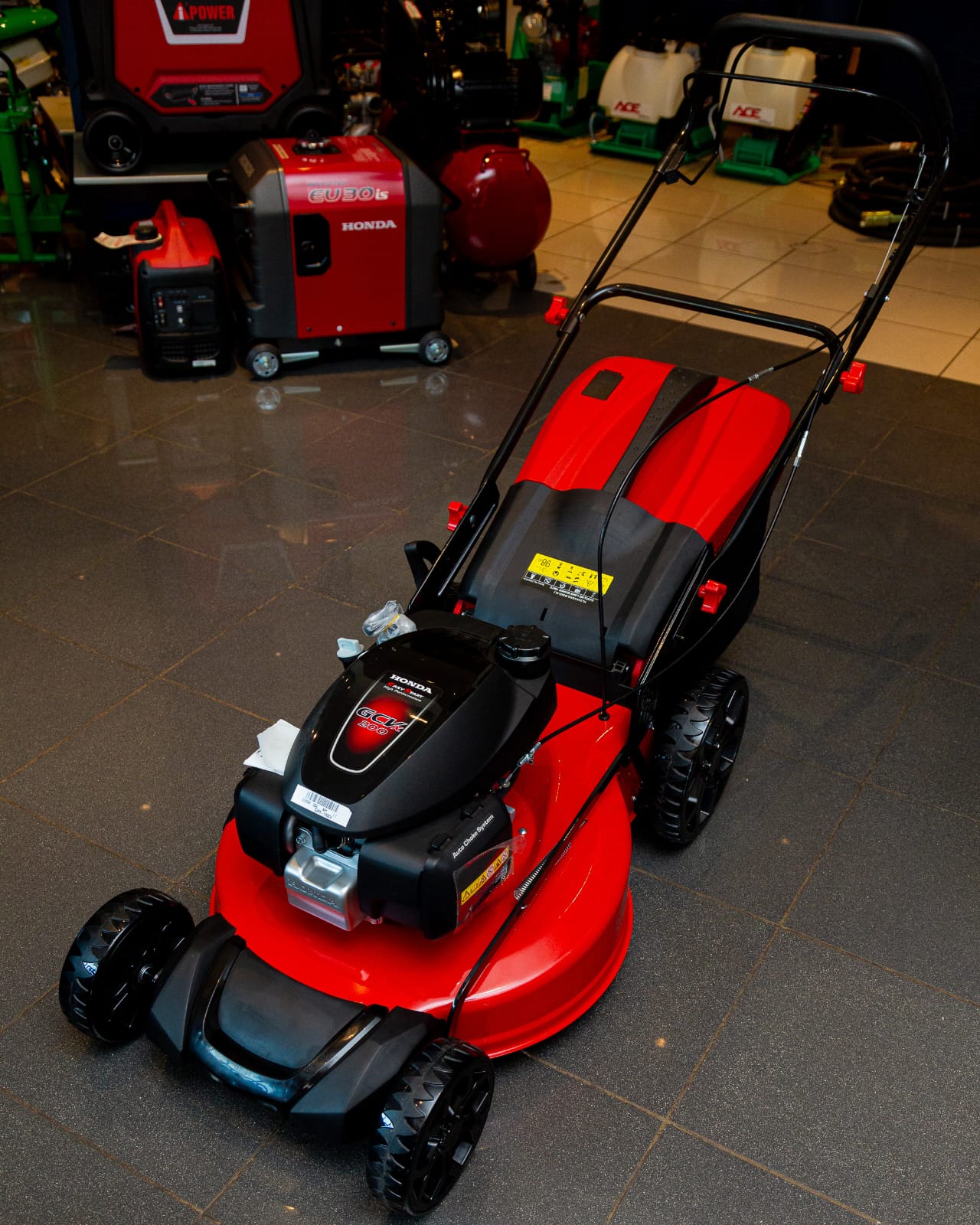


Keeping lawns, compounds, gardens, farms, and landscaped areas neat requires the right type of cutting equipment. Some spaces need a machine that gives grass a smooth, even finish, while others require a stronger tool that can move through tall grass, weeds, and rough vegetation.
The grass cutting machine price in Kenya depends on the machine type, engine or power source, cutting width, brand, capacity, and intended workload. Lawn mowers and brush cutters are two of the most useful options, but they perform different jobs. Your choice should depend on the terrain, vegetation, area size, and the finish you want.
Main Types of Grass Cutting Machines
Grass cutting machines fall into two main categories: lawn mowers and brush cutters.
A lawn mower cuts grass at a fairly even height across lawns and relatively level surfaces. It is useful where appearance and uniform grass height are important.
A brush cutter is better suited to tall grass, weeds, light brush, farm edges, fence lines, and areas where a lawn mower cannot move easily. Power Saw describes brush cutters as useful for overgrown grass, small bushes, and locations that lawn mowers cannot reach.
Understanding this difference helps buyers avoid purchasing equipment that is unsuitable for their working conditions.
Lawn Mowers for Even and Neat Cutting
Lawn mowers work best on maintained lawns, gardens, compounds, institutions, hotels, and other areas with relatively level ground.
Their main advantage is an even cutting height. Some models also collect grass clippings in a bag, depending on the design. Power Saw currently lists lawn mower options from brands such as Honda, Briggs & Stratton, and Ryobi, as well as manual models.
Buyers comparing the lawn mower price in Kenya should consider engine size, cutting width, self-propelled or hand-push operation, grass collection, and expected working area rather than focusing on price alone.
Cutting width is especially important. A wider cutting deck can cover more ground in each pass, which may save time on larger compounds and commercial properties. Smaller cutting widths can be easier to control in tighter gardens and narrow spaces.
Self-propelled lawn mowers can also reduce the physical effort needed to move the machine, particularly on larger lawns or areas with gentle slopes.
Brush Cutters for Rougher Areas
Brush cutters are designed for areas where grass is too tall, dense, or difficult for a conventional lawn mower.
They can be useful around farm boundaries, trees, fences, road edges, slopes, ditches, and uneven terrain. They are also suitable for weeds, overgrown grass, and light undergrowth.
Power Saw currently lists Honda, Surtec, Rhino, and other brush cutter options. Users working with denser vegetation may need a machine with suitable engine power and the correct cutting attachment.
Because brush cutters are portable, they can reach narrow or awkward spaces where wheeled lawn mowers may struggle.
Engine and Power Options
Grass cutting equipment comes with different power systems.
Petrol-powered lawn mowers are useful for larger compounds and areas where users need freedom from electrical cables. Honda, Briggs & Stratton, and Ryobi petrol models are among the options available through Power Saw.
Manual lawn mowers do not require fuel or electricity and may be suitable for smaller lawns and lighter regular maintenance.
Brush cutters are commonly petrol-powered, which makes them practical for farms, large properties, and remote areas. Four-stroke brush cutters, including Honda GX35, Honda GX50, Surtec, and Rhino options, are part of Power Saw’ range.
The correct power choice depends on area size, workload, fuel availability, and how frequently the machine will be used.
Different Cutting Systems
Lawn mowers normally use a rotating blade beneath the cutting deck. The deck helps maintain a controlled cutting height as the mower moves across the lawn.
Brush cutters may use a nylon trimming head or a metal cutting blade depending on the vegetation. Nylon line is useful for grass and lighter growth, while a suitable metal blade can handle tougher weeds and light brush.
Buyers should always confirm which cutting attachments are supplied with the machine and whether replacement heads or blades are readily available.
Lawn Mower or Brush Cutter?
The correct machine depends mainly on the condition of the ground.
Choose a lawn mower when you need:
- Even grass height
- Neat lawns and compounds
- Regular garden maintenance
- Cutting across relatively level ground
- A clean and consistent finish
Choose a brush cutter when you need:
- Tall grass control
- Weed clearing
- Cutting around trees and fences
- Farm or roadside maintenance
- Work on uneven or difficult ground
- Access to places a mower cannot easily reach
For large properties, using both machines may provide the most practical solution. A lawn mower can maintain open lawn areas while a brush cutter handles edges, slopes, and overgrown sections.
Who Can Benefit From These Machines?
Homeowners may use a lawn mower for regular compound and garden maintenance. Hotels, schools, offices, institutions, and landscaping businesses may also need lawn mowers to maintain larger grassed areas.
Farmers, property managers, landscapers, and maintenance teams may find brush cutters more suitable for rough vegetation and difficult terrain.
Commercial users should pay particular attention to engine durability, cutting capacity, working width, availability of spare parts, and how comfortable the machine is to operate for longer periods.
Maintenance and Safe Operation
Regular maintenance helps grass cutting machines remain reliable.
Lawn mower users should inspect the blade, engine oil where applicable, air filter, wheels, and grass collection system. Grass residue should be removed from the cutting deck after use.
Brush cutter maintenance may include engine oil checks on four-stroke models, air-filter cleaning, spark-plug inspection, cutting-head maintenance, blade checks, and tightening loose fasteners.
Operators should wear suitable footwear, eye protection, and protective clothing. Stones, sticks, and other objects should be removed from the cutting area where possible before work begins.
The machine should always be switched off before cleaning, clearing blockages, or changing cutting attachments.
What Affects Grass Cutting Machine Prices?
The Grass Cutting Machine Price in Kenya varies according to machine type, engine size, cutting width, brand, cutting system, number of attachments, and level of construction.
A manual lawn mower will usually fall into a different price category from a petrol-powered self-propelled mower. Similarly, a basic brush cutter may cost less than a multi-function model with several attachments.
Buyers should also consider fuel consumption, spare-part availability, servicing, warranty support, and long-term maintenance costs.
Choosing the Right Grass Cutting Machine
Start by looking at the area you need to maintain. For level lawns where an even appearance matters, a lawn mower is usually the better choice. For tall grass, weeds, farm edges, or uneven ground, a brush cutter is generally more practical.
Area size should also influence the decision. Larger open spaces may benefit from a wider cutting deck or self-propelled mower, while smaller gardens may be easier to manage with a compact lawn mower. Rough or irregular spaces are usually better handled with a brush cutter.
Power Saw supplies different lawn mower and brush cutter options for home, farming, landscaping, and commercial applications. Customers can compare available brands, engine types, cutting widths, cutting systems, specifications, and accessories before purchasing.
Choosing equipment according to the actual terrain, vegetation, and workload can make grass maintenance faster, safer, and easier while avoiding unnecessary investment in the wrong type of machine.